Common Mistakes That Can Weaken a DUI Defense
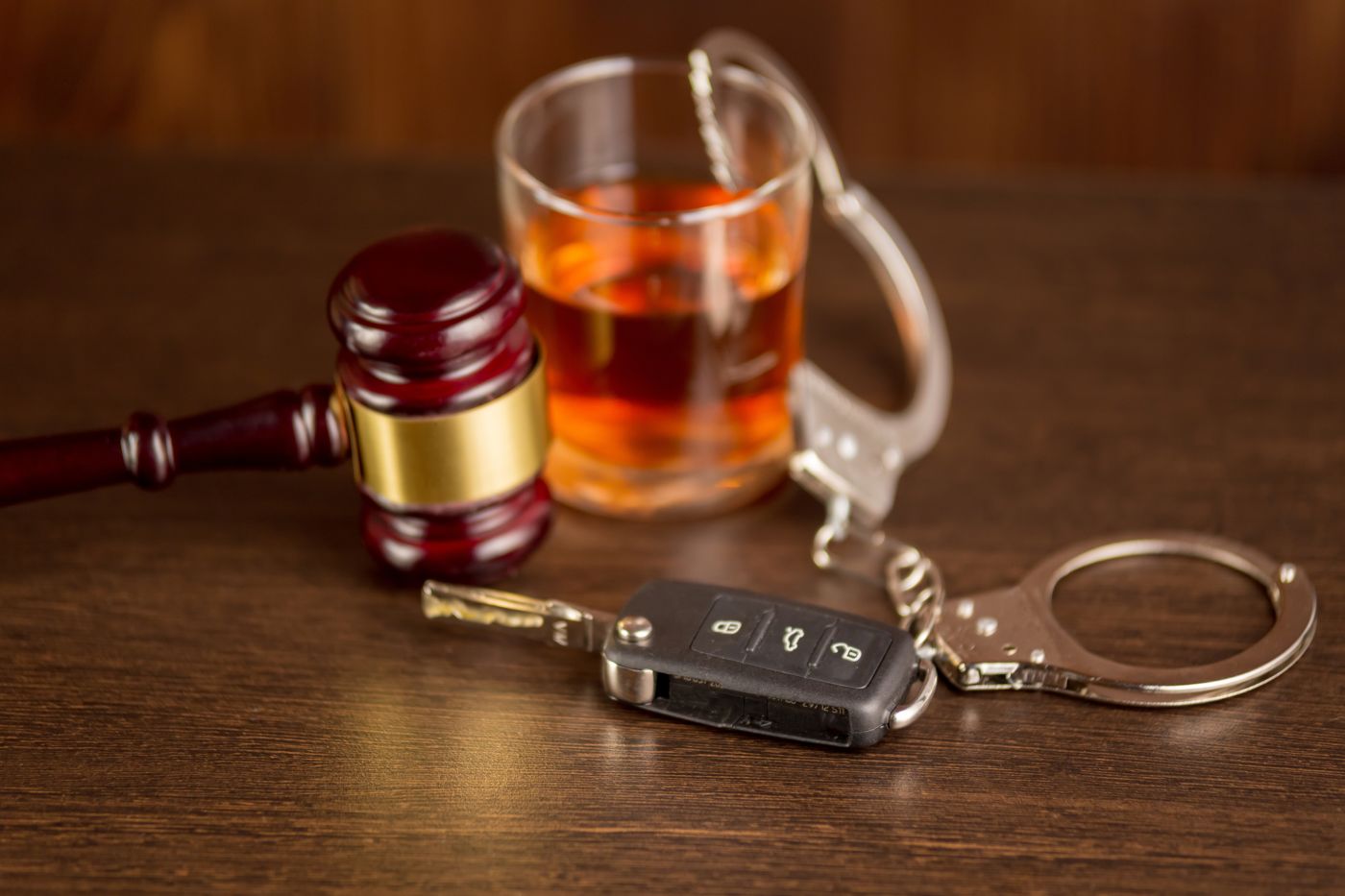
A DUI arrest can make you feel as though you need to fix the situation immediately—explain yourself to the police, tell friends what happened, or make a quick decision just to get the case over with. Those reactions are understandable, but they can also make defending the charge more difficult. Talking unnecessarily about the arrest, ignoring deadlines, failing to preserve evidence, or assuming a chemical test settles the case can all weaken a DUI defense.
At Carl Jensen Jr., I help people facing DUI charges understand what the prosecution must prove and what evidence deserves closer examination. If you have been arrested for DUI in Great Falls or elsewhere in Montana, contact me to discuss what happened and how to protect your interests as the case moves forward.
Statements you make during a DUI investigation can be used as evidence, which is why trying to explain your way out of the situation may create problems rather than resolve them.
A driver may want to explain where they were, what they drank, whether they took medication, or why they believe they were driving normally. Those details can later be compared with an officer's observations, test results, video footage, and other evidence.
You do not need to argue with an officer or interfere with an investigation to protect yourself. Remaining calm and avoiding unnecessary discussion about the allegations can prevent you from supplying additional information that may later be used against you.
I can review what you said during the stop or arrest along with the other evidence to determine how those statements may affect your defense.
An arrest is not a conviction, and a DUI case should be evaluated on the evidence rather than on the assumption that the charge cannot be challenged.
Under Montana law, DUI can involve driving or being in actual physical control of a vehicle while under the influence of alcohol or drugs. Montana law also prohibits driving a noncommercial vehicle with an alcohol concentration of 0.08 or higher.
The circumstances surrounding the stop and arrest still matter. Depending on the case, relevant questions may involve the legal basis for the traffic stop, the officer's observations, field sobriety testing, chemical testing, and whether evidence was obtained and handled properly.
The Montana DUI statute explains the conduct that can constitute driving under the influence under state law.
Through my DUI defense practice, I can review the state's evidence before you decide how to respond to the charge.
Waiting can reduce the time available to identify evidence, understand court requirements, and address issues that may arise outside the criminal prosecution.
Useful evidence may include police reports, citations, body-camera or dash-camera footage, witness information, chemical test records, photographs, receipts, or other records related to the events before and during the stop. Some information may become harder to locate as time passes.
A DUI arrest can also have consequences involving your driving privileges. Montana's implied-consent laws provide for administrative driver's license suspension when a person refuses to submit to qualifying chemical testing, separate from the ultimate outcome of the DUI charge.
Seeking legal advice early does not mean that you have decided to take the case to trial. It gives you more time to understand the evidence, the procedures involved, and the decisions ahead.
Chemical test results can be important evidence in a Montana DUI case, but they must still be considered in light of applicable law, testing procedures, and the circumstances of the individual case.
Depending on the type of test, questions may involve how a sample was obtained, who administered the test, how the testing process was conducted, and whether the evidence satisfies applicable legal requirements.
Montana law also allows a person to request an independent blood sample in addition to testing directed by law enforcement, and an officer may not unreasonably interfere with that right.
I can review chemical-test evidence alongside the rest of the case rather than treating a single result as the entire story.
Evidence that could provide context for a traffic stop or arrest may become unavailable, and memories may become less precise over time.
Preserve documents and information connected with the incident rather than deciding for yourself that something is unimportant. Depending on what happened, relevant material could include photographs or video, receipts, location information, communications, witness contact information, or records concerning events before the stop.
Write down what you remember while the details are still fresh, including where you were, what happened during the stop, what instructions you received, and what testing occurred. Do not alter, manufacture, or destroy evidence.
I can determine which information may matter after reviewing the particular facts of your case.
Posting about an arrest can create statements and records that may complicate your defense.
You may be tempted to explain your side, criticize the arresting officer, joke about what happened, or respond to comments from friends. Even a post that seems harmless when you write it can be read differently once it becomes part of a criminal case.
Avoid discussing the facts of an active DUI case publicly or on social media. That includes comments about what you consumed, where you were, who was with you, the traffic stop, testing, or what you intend to argue in court.
If you have questions about what information you should disclose or preserve, discuss them with your attorney rather than relying on social-media advice.
What you do after a DUI arrest can matter. You cannot change what happened before the stop, but you can avoid making unnecessary statements to the prosecution, preserve potentially useful evidence, meet legal requirements, and make decisions after understanding the case against you.
At Carl Jensen Jr., I can review the traffic stop, testing, arrest procedures, and other available evidence and explain the options you may have. My background as a criminal defense attorney includes experience on both sides of criminal cases, giving me insight into how charges are investigated, prosecuted, and defended. Contact my Great Falls office to discuss your DUI charge.