Military Members Facing Criminal Charges In Montana: What You Need To Know
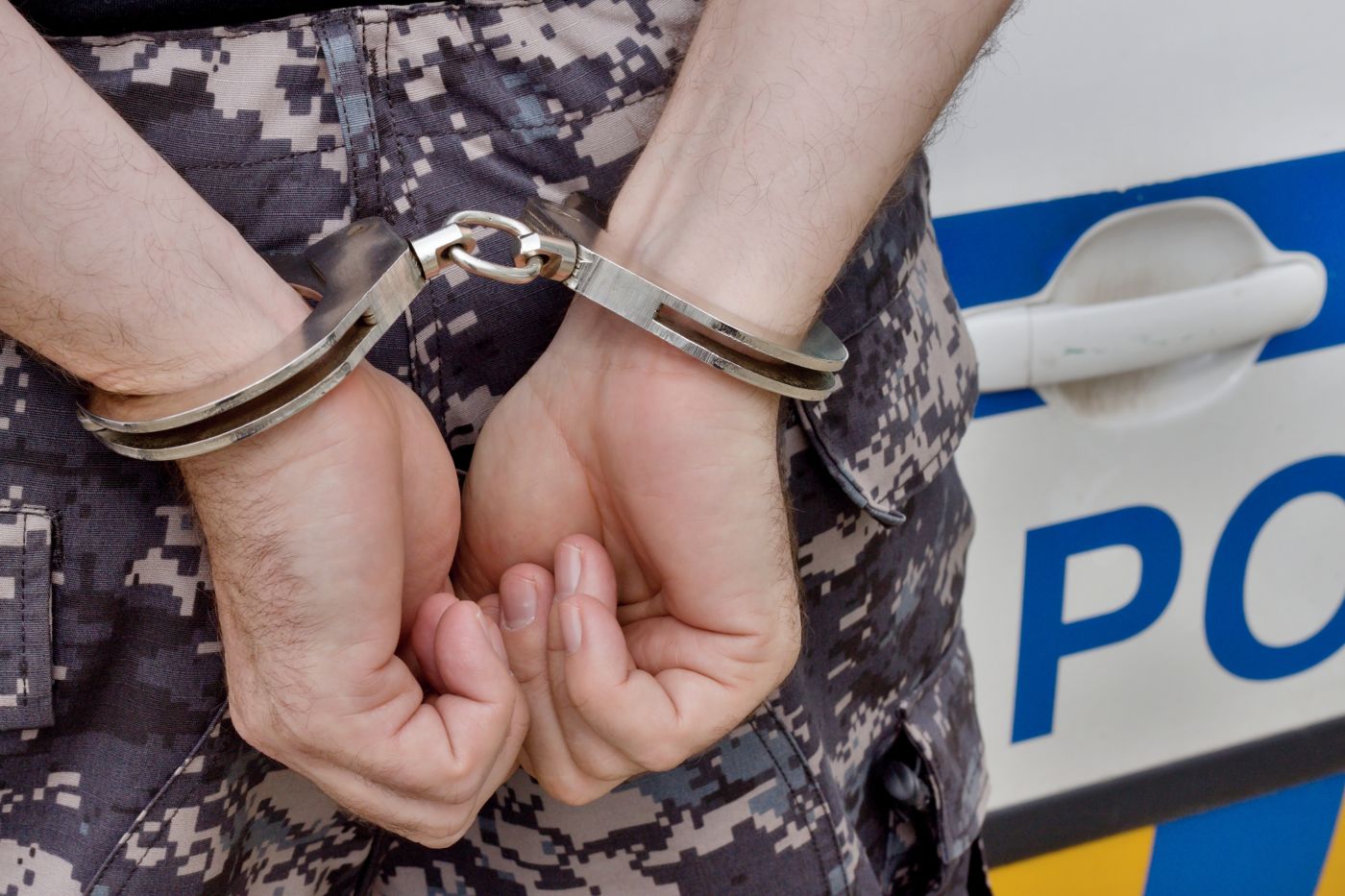
Criminal charges create stress in any situation, and as a military member, you're likely to face even greater pressure when dealing with them. Your career, reputation, and future within the military can all be affected. It’s not just about the legal process involved—it’s about protecting everything you’ve worked hard to build.
At Carl Jensen Jr., I work with clients facing criminal charges while also managing the responsibilities of military service. I help you understand your options and take steps to protect your rights and future. I serve clients in Great Falls, Montana, and throughout central Montana, offering guidance tailored to each case. If you’re facing charges and don’t know where to turn, reach out to my firm to discuss your situation.
If you’re an active-duty service member or reservist, your legal situation can involve more than just the civilian court system. Depending on the circumstances, you might face both civilian charges and military consequences under the Uniform Code of Military Justice (UCMJ).
This dual layer of accountability can raise the stakes. Even if a civilian court imposes minimal penalties, your military command might still take administrative or disciplinary action. That’s why it’s important to consider how every decision in your case could affect both systems.
I understand these overlapping concerns and can help you approach your case with a clearer strategy. I can also help you think through how your actions in one system might impact the other.
Military members can face a wide range of criminal charges, both on and off base. While some cases are handled exclusively in civilian courts, others might involve military proceedings as well. Here are some of the most common charges that service members encounter:
Driving under the influence (DUI): A DUI can affect both your civilian record and your standing within the military.
Assault or domestic-related offenses: These charges can carry serious legal and professional consequences.
Drug-related offenses: Possession, use, or distribution of controlled substances can lead to severe penalties.
Theft or property crimes: Allegations involving theft can impact trust and career advancement.
Weapons-related offenses: Improper handling or possession of weapons can lead to both criminal and military repercussions.
Each type of charge comes with its own challenges, but they all share one common factor: the potential to significantly affect your future. Addressing these charges with my criminal defense services can make a meaningful difference to your case.
After an arrest, the legal process begins quickly, and the steps you take early on can have a lasting impact. You might be required to appear in court, post bail, and comply with certain conditions while your case is pending.
For military members, there could also be an obligation to report the arrest to their commanding officer. This can introduce additional stress, as you’re dealing with both legal and professional consequences simultaneously. Here are some important steps to keep in mind after an arrest:
Exercise your right to remain silent: Anything you say can be used against you, so it's important to be cautious.
Request legal representation: Speaking with a criminal defense lawyer early can help you avoid missteps.
Follow court requirements: Attending all hearings and complying with conditions is critical.
Communicate with your command when required: Failing to report an arrest could lead to additional consequences.
Taking these steps seriously can help you protect your rights and avoid additional complications. An experienced criminal defense attorney can provide clarity and direction during this stage.
Facing criminal charges without guidance can leave you feeling uncertain about your options. A criminal defense lawyer can help you evaluate your case, identify possible defenses, and develop a strategy that aligns with your goals.
Legal support goes beyond just appearing in court. It involves reviewing evidence, questioning the circumstances of your arrest, and advocating for a fair outcome. For military members, it also includes considering how the case might affect your service record and career.
Here are some ways legal guidance can help:
Case evaluation: Reviewing the specific details of your charges to identify potential legal defenses.
Representation in court: Presenting your case clearly and advocating on your behalf.
Negotiation: Working to reduce charges or penalties when possible.
Coordination with military considerations: Taking into account how your case might impact your service.
I can help you make informed decisions and approach your case with greater confidence, so you can focus on your responsibilities while your legal matters are being addressed.
Dealing with criminal charges as a military member can feel overwhelming, especially when your career, reputation, and future opportunities are at stake. The legal process can be intimidating, with strict deadlines, complicated procedures, and potential consequences that reach beyond civilian courts into your military record. Taking action early and seeking legal guidance can help.
At Carl Jensen Jr., I work with military clients in Great Falls, Montana, and throughout central Montana who are facing criminal charges and need clear, practical guidance. If you’re looking for a criminal defense attorney who understands the challenges you’re facing, reach out to my firm today.